Friday, June 19, 2020

Day plan for Monday, June 22

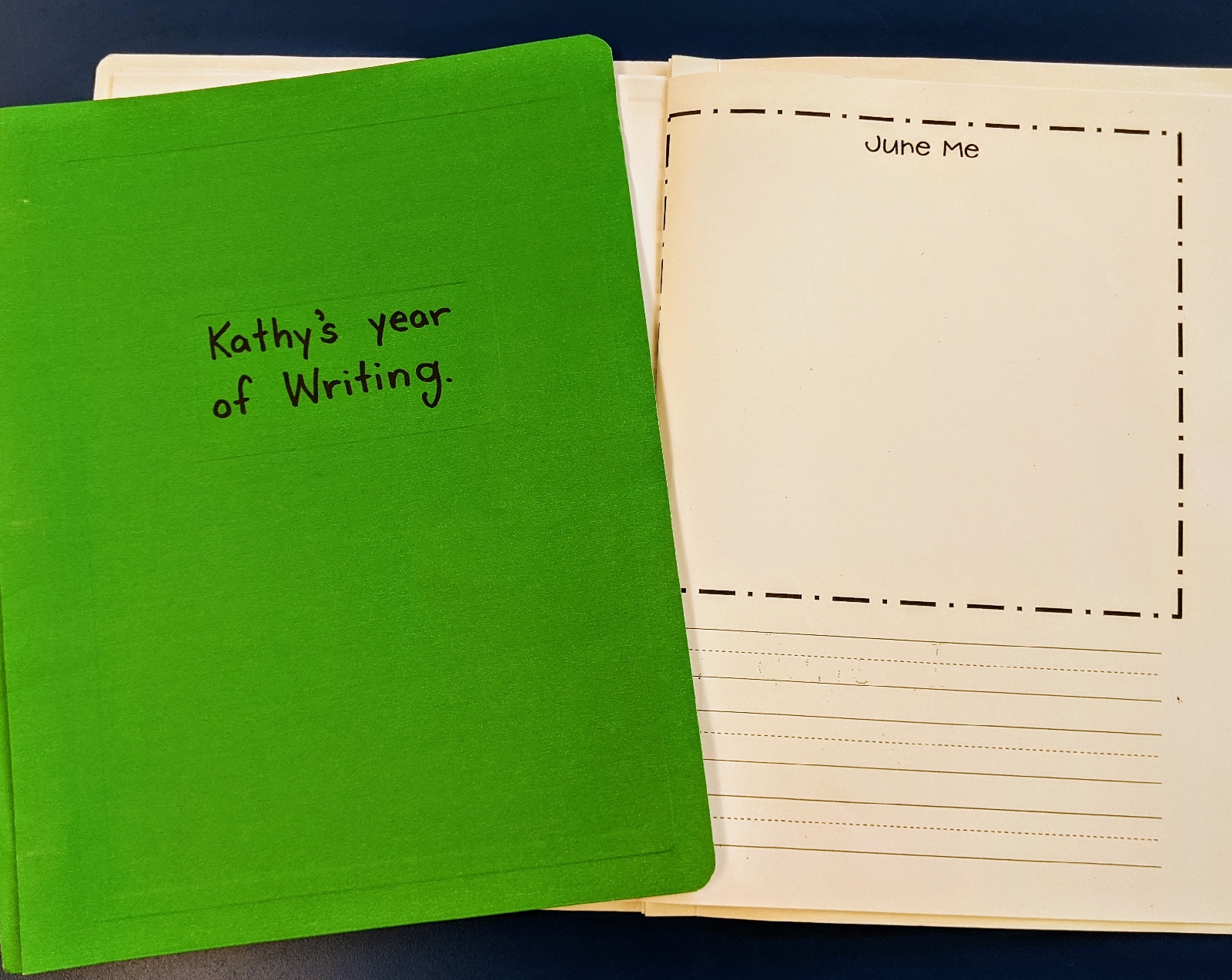
Morning Work: June me

  • Draw a picture of something you did in June that you would like to remember. 
    • Remember to add details and background.
    • Use at least 3 colours.
  • Then write a sentence to match your picture.

Calendar


Weather

Observe, report, and predict

Language Arts

  • Test your alphabet. But this time do it with your OTHER hand. 
    • Write down all the uppercase and lowercase letters from memory.

Here are some videos about the alphabet:
Sesame Street Sings the Alphabet songhttps://youtu.be/783EsrHchXA
See it, Say it, Sign ithttps://youtu.be/WP1blVh1ZQM
Phonic Songhttps://youtu.be/ffeZXPtTGC4


Journals


  • Write two sentences: It is summer. In summer I like to ________.
  • Finish the sentence.
  • Then draw a picture to match your sentence.
  • Add details and colour.
  • Take a picture and send to Mr. Neufeld.


Daily Physical Activity

Monday Yoga

  • choose 3 positions
  • hold them for 10 seconds
  • if you fall over say "I'm awesome."
  • Remember to breathe

Math

Play a math game outside!

  • Find a picnic table outside and play cards.

Wednesday, June 17, 2020

Day plan for Thursday, June 18

Morning Work

  • Do one of the pizza with daddy (circle the correct number) & Draw it sheet (complete the number sentence) from the packages.

Calendar


Report the Weather


Language Arts

Father's Day Card: Write and draw

  • Use the foldable card stock in package
  • Fold in half
  • On front of card write:  To: Dad
    • Draw a picture on the front. In class, the students chose to draw a happy face.
  • Inside the card write: Happy Father's Day!
    • Draw a picture of you doing something with your dad
  • On the back write: From:  print your name
  • Colour and decorate the card
  • On Sunday, June 21: make Dad breakfast, pour him a coffee, and give him this card along with a hug. Then mow the yard.


Read 3 of the new books from your Book Box!!!


Daily Physical Activity

Hokey Pokey: https://youtu.be/d6d6Avbpjf8
Monkeys Jumping on the Bed: https://youtu.be/GcvA1OWu6rg


Math

Textbook Thursday

Do at least 5 pages in the JumpMath textbook.


Music

Sing 3 songs.

For example:

    Word Work: Word & Picture sort

    Day plan for Wednesday, June 17

    Calendar

    https://www.starfall.com/h/holiday/calendar/?sn=main

    Report the Weather

    What causes Thunder and Lighting? https://youtu.be/fEiVi9TB_RQ


    Language Arts

    Words Their Way: Sorting Word Families

    This activity provides the opportunity to:
    • practice Mrs. Curle's grade 1 way of preparing materials for sorting
    • to use classroom materials like scissors and glue
    • to begin looking at word families.
    Remember to:
    1. scribble on the back with two colours
    2. cut out the frame, then down and across
    3. sort the words and pictures into groups that have the same ending sound (ad or an)
    4. paste pictures onto paper in their proper groups
    5. take a picture and send to Mr. Neufeld


    Daily Physical Activity

    180 hops

    Mr. Neufeld's 5-alive Workout (plyometrics)

    • 5 hops forwards and back
    • 5 hops side to side
    • 5 hops in a square
    • 5 180 hops
    • 5 one-legged hops
    • 5 ballistic push-ups

    Math

    • The number 9 and 19
      • Complete the number sheet for number 9
      • Complete the number sheet for number 19
      • Take a picture and email to Mr. Neufeld
    Practise counting to 100
    The Big Number song: https://youtu.be/e0dJWfQHF8Y

    Wilderness Wednesday

    Wild or not wild?

    • Question: what is the difference between wildlife and domesticated animals?
      • wildlife range from amoeba to whales and make unsuitable pets (and many times are illegal - like raccoons).
      • Domesticated animals are useful to humans and are tame. Most tame animals allow human touch. Farm animals have been domesticated over a long period of time through breeding. All domesticated animals are descendants of wild animals. Some zoo animals may act tame.
        • If a domesticated animal becomes wild we call them "feral" animals. Cats and horses are examples of animals that can become wild.
      • Many animals, wild or domesticated, may bite, scratch or kick to protect themselves. 
      • The important lesson is to be careful and respectful around all animals, particularly ones you do not know. I have seen many children put their hands right into a pigs mouth! Chomp!
    • Think about: the difference between the day in the life of a dog and a squirrel.
    • Go for an Animal Walk around your neighbourhood or to a park
      • look for animals that are wild or not wild. 
      • Which ones need people to give them food, water or shelter? 
      • How did the animals act?
    • Record your observations in your journal. 
      • Draw the animals and write about what they were doing.
    • Take a picture of your drawing and send to Mr. Neufeld


    Tuesday, June 16, 2020

    Our 1st spelling best.

    Today in class we practiced writing this list of words. The list is being sent home for students to practice writing. This is much like the Word Work they will do next year in grade 1. Next week we will try a best. A best is like a test, but you just do your best. Students can find out what they can spell from memory and what they may want to work on

    Wash Your Hands with Baby Shark | Baby Shark Hand Wash Challenge | @Baby...

    Day plan for Tuesday, June 15

    Morning Work: 

    • colour the missing consonants and write in the blanks to complete the words.
    • then colour the vowel sounds and write in the blank to complete the words.

    Calendar

    Weather

    Observe, report and predict the weather today.

    Language Arts

    • Yesterday we had a "best" to see all the letters we could write from our memory, now lets "best" the words we have been using throughout this year.
      • This is an example of the Word Work tests that Mrs. Curle will do next year in grade 1. 
        • Again, this is not to scare anyone out, only a practice to experience what a test feels like, to check what we remember, and to reflect on what we could practice.
    • On a lined piece of paper read out the words and see if you "student" can spell them from memory.
    • When you are done, see how well you did and make corrections where needed.
    • Take a picture of your results and send them to Mr. Neufeld.

    Read for 10 minutes

    • Book Box (try the new books)
    • Reading A-Z

    Daily Physical Activity

    The Number Workout - count forwards

    1. one burpee
    2. two arm circles
    3. three jumping jacks
    4. four squats
    5. five crunches
    6. six elbows to opposite knees
    7. seven superman jumps
    8. eight one legged hops forward and back
    9. nine calf raises
    10. ten push ups

    Math

    Take Away.

    • Review what it means to take away from a number.
    • review words from our take away stories, for example: minus, substract, left over...
    • complete the take away worksheet from the take-home package. 
    • If you do not have the package create your own take away questions. 
      • Draw pictures and then cross out the number that is subtracted, then write the number of what is left over.
    • take a picture of your work and email it to Mr. Neufeld.